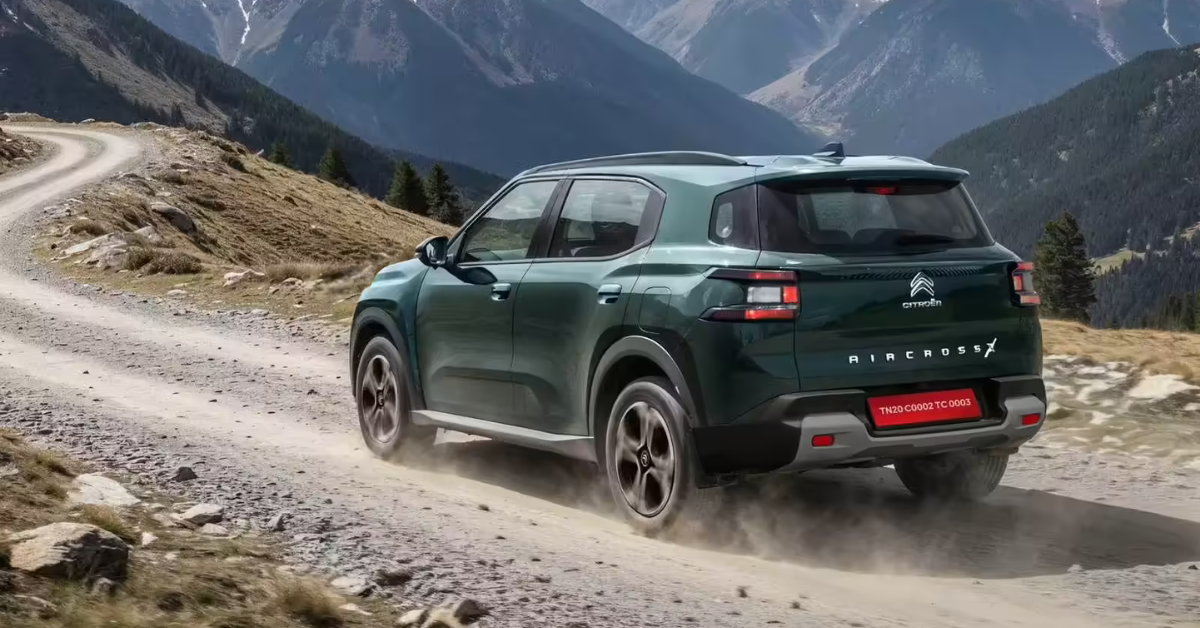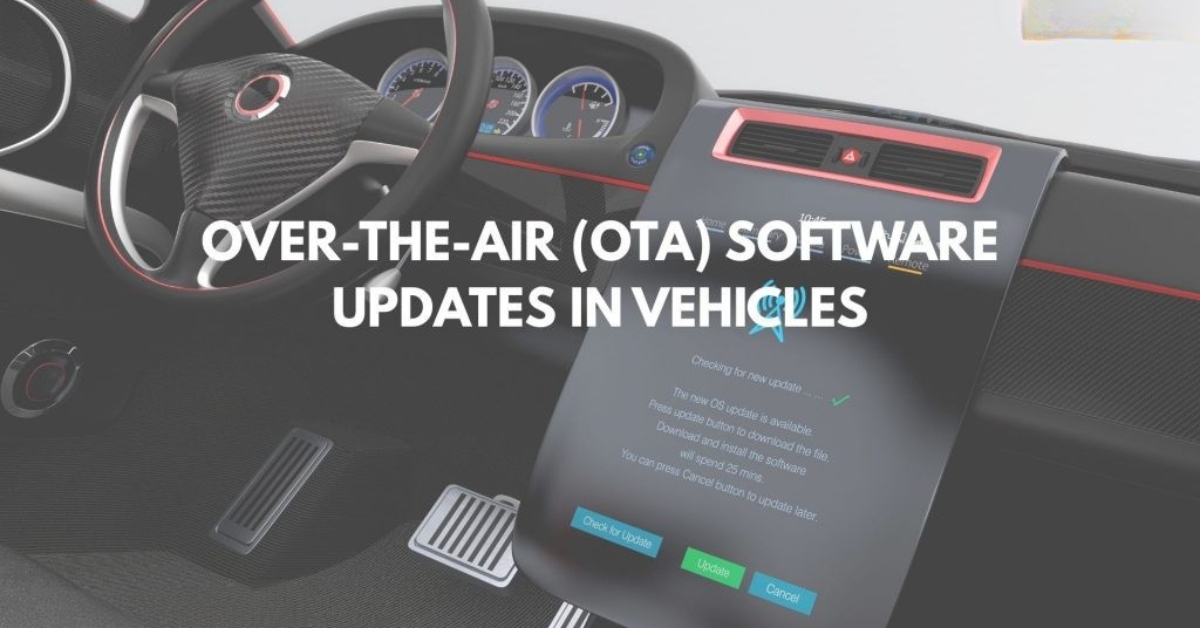
OTA Car Software Updates: The smartness of modern cars is increasing all the time. Newer vehicles are software-heavy, with navigation systems and even digital dashboards making use of software.
Navigation, digital dashboards, and advanced driver assistance features make use of software in today’s vehicles. Like smartphones, many vehicles now have Over-the-Air (OTA) software updates to enhance vehicle performance, add new features and correct errors without the owner having to go to a service centre.
What is an Over-the-Air (OTA) Update?
Over-the-Air (OTA) is a technology that enables manufacturers to deliver software updates directly to a vehicle via an internet or mobile communications connection.
Car owners can opt for a workshop visit or alternate with:
- Software improvements
- Security patches
- Bug fixes
- New digital features
- Performance enhancements
This is like the typical smartphone operating system update. After downloading and installation, the car is running on the newest version of software.
The technology has revolutionised the automotive industry by making software maintenance quicker, more efficient and cost-effective.
How OTA Updates Became Popular
Smartphone companies like Google, Apple and Samsung have been using wireless software updates for years and the automotive industry was late to the party.
In 2012, Tesla was one of the first automakers to roll out OTA updates to its Model S in a widespread manner. Since then, many manufacturers around the world have adopted a similar strategy.
OTA updates today are used to enhance everything from infotainment, navigation software, battery management, advanced safety features and more.
To manufacturers, this translates to many software-related issues not requiring the recall of thousands of vehicles, nor the customer coming into dealerships to get their vehicle’s software updated.
Why OTA Technology is a Favoured Technology for Automakers
For manufacturers, OTA updates offer several benefits, while for car owners, they offer a corresponding number of benefits.
The advantages are:
- Faster software improvement without going to a service centre.
- Reduced maintenance and recall expenses
- Quick delivery of security patches
- Firstly, updates are allowed after buying.
- Improved customer convenience
Industry sources say this will remain a key technology in the future as vehicles become more software-centric.
The Growing Cybersecurity Challenge
While OTA technology has its benefits, it also presents fresh cybersecurity challenges. The networking of vehicles will enable vehicles to be connected to the Internet and mobile networks, which can make them a target for cybercriminals when security measures are not properly implemented.
Experts warn that attackers could attempt to:
- Keeping important information on vehicles more than just available; it is accessible.
- Exploit software vulnerabilities
- Interfere with connected systems
- Disrupt vehicle operations
- Steal user information
While manufacturers spend a lot on cybersecurity, experts say there will never be a device that is entirely cyber-safe.
Why Experts Are Concerned
The dangers are not just to privacy, according to cybersecurity experts. Security analysts predict that one day connected cars will be victims of organised cyberattacks or even foreign nations trying to disrupt transportation networks.
With modern vehicles increasingly relying on software to manage batteries, braking systems, communication modules, and other electronics, ensuring these systems’ protection is even more significant.
The experts feel that the manufacturers need to consistently improve the encryption, authentication methods and software verification procedures to minimise potential risks.
Norwegian Bus Test Raised Global Attention
The technology for OTA had been gaining more publicity after a Norwegian public transport company had tested for security on two electric buses.
Investigators reportedly found that some vehicle control systems can be accessed via the mobile network connection with a foreign SIM card during the evaluation.
In theory, a manufacturer could stop or disable the buses remotely if it had access like that, the company said. While that was a theoretical security threat and not necessarily proof of an actual cyber attack, the results showed that new security risks could emerge from the connectedness of transportation systems unless taken care of.
After these findings, it was reported that the UK and Denmark, among other nations, started to investigate the same problems in the context of connected cars.
National Security Is Becoming Part of the Discussion
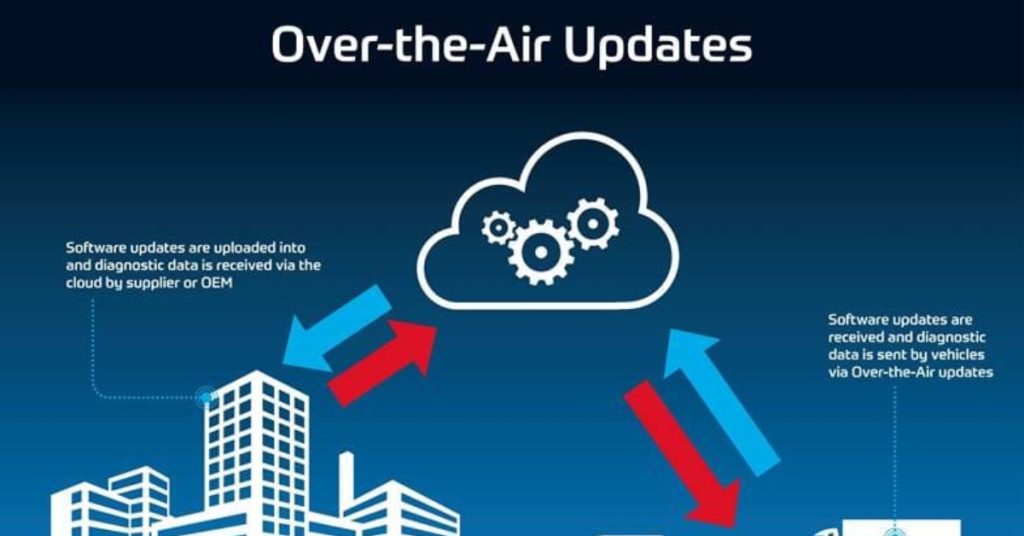
Today’s cars are no longer standalone units. Many are linked with cloud-based services, navigation platforms, mobile applications, and manufacturer servers.
This increasing interdependency makes cybersecurity increasingly a concern for national infrastructure protection, according to security professionals.
Future types of transportation can be:
- Connected cars
- Autonomous vehicles
- Smart traffic networks
- Cloud-based fleet management
- Vehicle-to-vehicle communication
The more these technologies are adopted, the more likely it is that cybersecurity standards and periodic security testing will be used in governmental and manufacturer focuses.
How Manufacturers Can Improve Security
In order to minimise potential cyber threats, automakers are likely to invest in more advanced cybersecurity technologies in the future.
These are some of the key security measures:
- Encryption of software updates end-to-end.
- Multi-layer authentication systems
- Install digital signatures for signature verification on updates.
- Continuous security monitoring
- Regular vulnerability testing
- Rushing out critical security patches.
The measures are aimed at guaranteeing only authenticated software can be installed in vehicle systems.
Owners of vehicles should be aware of the following
The concerns reported could be alarming, but vehicle owners should keep in mind that there are benefits to OTA technology when it is done securely.
To further enhance digital security in their vehicle, drivers can:
- Apply all official software patches as soon as they are released.
- Using only original software codes and preventing unauthorised software changes.
- Use trusted mobile applications.
- Set up secure passwords for connected accounts. Securing connected accounts with strong passwords.
- Reporting lack of normal system behaviour to authorised service centres
These simple steps can help prevent software problems.
The Future of Connected Vehicles
With the advent of electric, connected and autonomous vehicles, software is on track to take on an even greater importance than it currently does in the automotive industry.
OTA technology will continue to be a pivotal aspect of future ownership because it will enable manufacturers to make ongoing improvements to their products even after they are sold to their customers.
But with this convenience comes strong cybersecurity as well. Creating safe software systems, doing frequent security audits, and having tight verification of software updates will be vital to shield both drivers and transportation systems.
Frequently Asked Questions (FAQs)
1. What is an Over-the-Air (OTA) update?
An OTA update is a wireless software update that allows automakers to install new features, bug fixes, and security improvements without requiring a visit to a service centre.
2. Why are OTA updates important for modern vehicles?
They allow manufacturers to improve vehicle software remotely, reduce recall costs, deliver security patches faster, and introduce new features after purchase.
3. What cybersecurity risks are associated with OTA updates?
Potential risks include unauthorised access, software vulnerabilities, data privacy concerns, and possible attempts to interfere with connected vehicle systems if security measures are compromised.
4. Which company popularised OTA updates in cars?
Tesla helped popularise automotive OTA updates by introducing the technology for its Model S vehicles in 2012.
5. Can hackers control vehicles through OTA updates?
No evidence properly secured OTA systems are routinely compromised. However, cybersecurity experts emphasise that connected vehicles require strong protection because any internet-connected technology can become a potential target if vulnerabilities exist.
6. How can vehicle owners stay safe?
Owners should install official software updates, avoid unauthorised modifications, use secure accounts and applications, and contact authorised service centres if they notice unusual vehicle behaviour.
Disclaimer: This article is intended for informational purposes only and is based on publicly available reports and expert commentary available at the time of writing. Cybersecurity risks vary depending on vehicle manufacturers, software architecture, and security practices. The information provided should not be interpreted as evidence that any specific vehicle or brand is currently vulnerable to cyberattacks. Vehicle owners should always follow official guidance and install software updates provided by their manufacturers.
Also Read:
Volkswagen Tayron Specifications, Features and Engine Details
Lexus ES 350h Specifications, Features, Engine and Performance: Complete Review
Volkswagen Sales Drop 8.6% as Company Plans Major Model Cuts