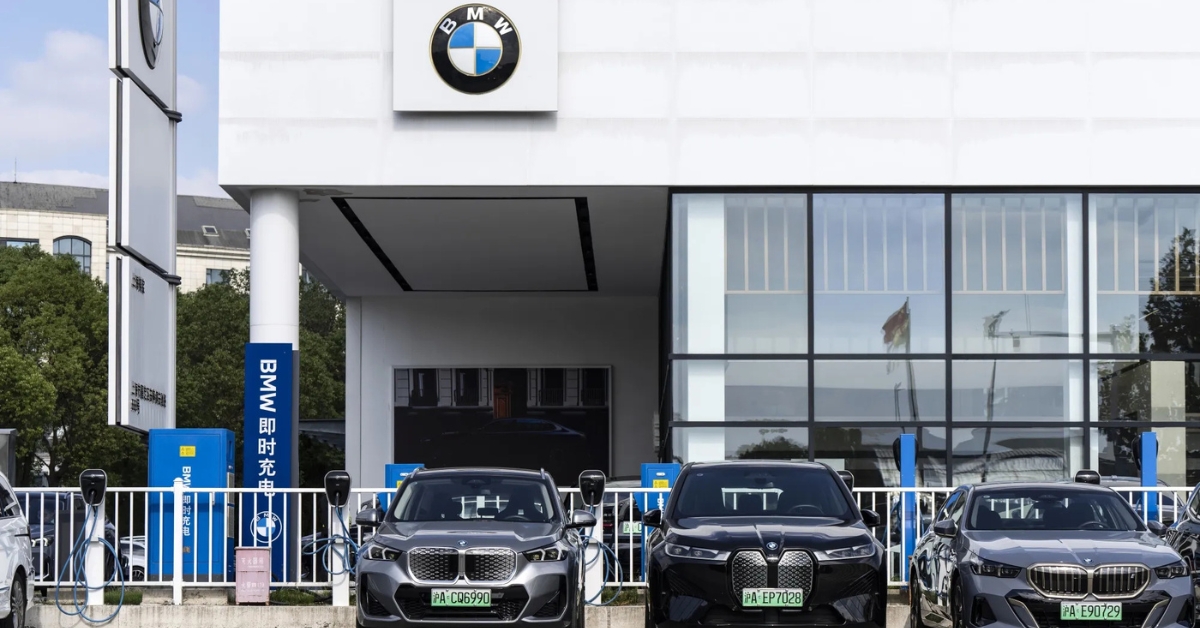
BMW Bets: China has emerged as the world’s biggest electric vehicle market, and a successful business in this region is more crucial than ever for global automakers. But the competition is getting stiffer than most anticipated. Germany’s top luxury carmaker, BMW, is now focusing on its new-generation Neue Klasse electric cars to turn the tide of dwindling sales in its home country.
BMW Faces Declining Sales in China
BMW is having a tough time in one of its most critical markets. The company had also recently warned of lower profits, citing lower sales levels in China as a key driver of the drop. BMW’s China sales fell 30% in the second quarter, reflecting increased competition from local EV makers in the country, the latest figures show.
The slowdown follows a period of waning demand that has been underway for almost two years, and is seen as a sign of uncertainty among investors and industry watchers about the brand’s status in the world’s biggest EV market. It has been a long time since China became one of BMW’s most important markets in the world, and that’s why the drop was especially keen on the German carmaker.
Neue Klasse: BMW’s Next Big Electric Vehicle Strategy
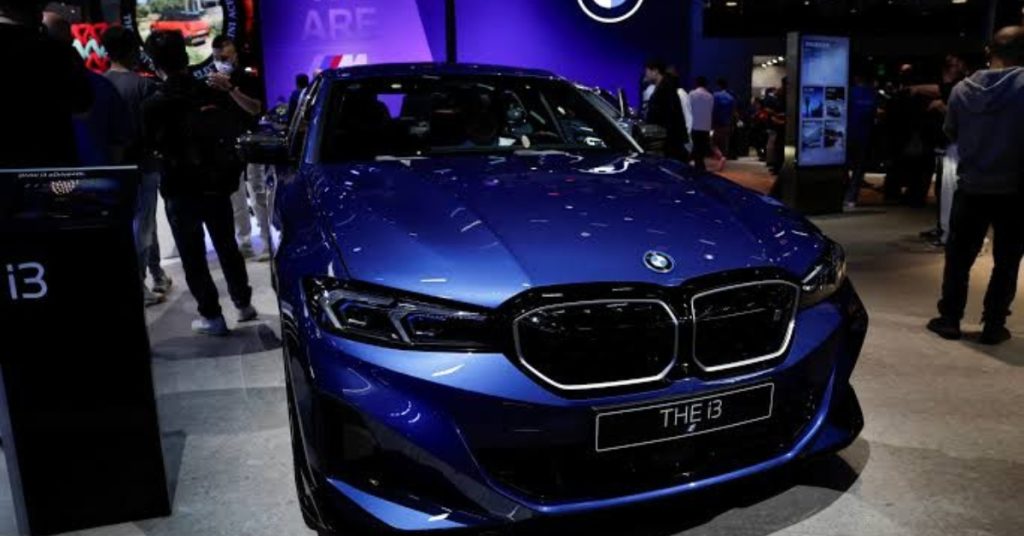
BMW thinks that its much-awaited Neue Klasse, or “New Class,” holds the solution. The electric vehicle platform is designed to offer improved efficiency, driving performance, software functionality, and a modern digital experience all for the next generation of EVs.
The Neue Klasse platform is believed to be the basis for numerous BMW’s future electric cars, and will enable the German brand to better compete with its established ones and fast-growing Chinese EV rivals.
BMW’s first Neue Klasse model for the Chinese market will be the BMW iX3 electric SUV, which is expected to be available on the market in November. BMW expects this will draw in customers who are seeking high-end electric mobility, and also demonstrate the company’s most recent technological advancements.
Why Analysts Believe BMW May Be Arriving Late
Although Neue Klasse has created all the buzz, a few analysts believe that BMW may have missed the sweet spot. Automotive experts say that if these next-generation vehicles had been available at Chinese showrooms 2 years ago, they could have made a difference in BMW’s competition. But now, the Chinese electric vehicle market is much more developed and competitive than it was before.
Local manufacturers are developing new technologies at a remarkable rate, and some companies are reportedly creating new electric vehicle platforms in as short a time as 18 months. It can take traditional global automakers almost double that time to get new products to market. The quicker the development process, the quicker Chinese brands can adjust themselves to the evolving customer needs and technology trends.
Chinese EV Brands Continue to Raise the Bar
The automobile makers from China are no longer bidding on price alone. They now have a lead in multiple fields of automotive innovation, such as software integration, intelligent driving systems, battery technology, connectivity and advanced suspension systems.
One such example is Nio, the brand that recently showcased the power of its flagship ET9 luxury sedan by driving over movement bumps while balancing a tower of champagne glasses on the bonnet without spilling. The showcase showcased the cutting-edge suspension technology of the car, attracting attention from the public.
Such demonstrations are indicative of the strategy Chinese manufacturers are pursuing as they look to make memorable technology demonstration products for today’s consumer.
New Leadership Brings Fresh Expectations
Under the leadership of BMW’s new CEO Milan Nedeljkovic, the company is now being led toward its electric future.BMW’s new CEO, Milan Nedeljkovic, is leading the company toward its electric future, as it battles for growth in a toughly competitive market.
The company is spending aggressively on next-generation electric mobility, software and digital technologies and looking to consolidate its market share with high-end customers for electric vehicles.
The success of the Neue Klasse platform may have a significant impact on the future of the BMW brand not only in China but also in the global market as governments remain to promote the shift towards electric mobility.
Challenges BMW Must Overcome
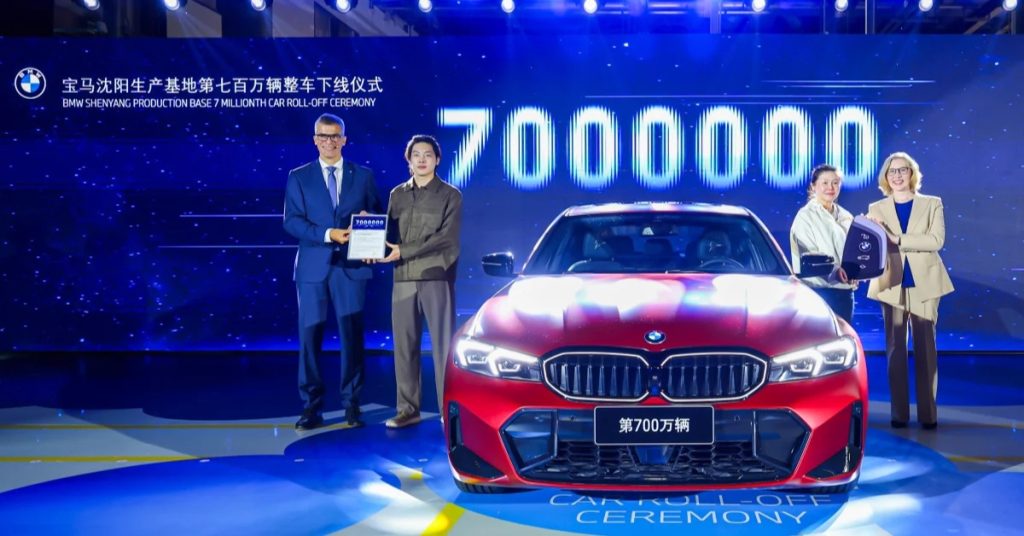
BMW’s journey in China is becoming increasingly complex due to several market trends.
The greatest difficulties are:
- Major rivalry from rapidly expanding Chinese electric vehicle companies.
- Faster technological change and shorter development times for vehicles.
- Transformation of consumer expectations around software, connectivity and intelligence.
- The impact of lower sales on profitability.
For BMW to overcome these hurdles, it will need to merge the strengths of its engineering with the need for quicker innovations and a more effective local market approach.
Can the BMW iX3 Change the Story?
The BMW iX3, which is based on the Neue Klasse platform, is more than just another electric SUV. It represents BMW’s attempt to be relevant in the most competitive electric vehicle market.
If the car proves to be an improvement in efficiency, technology, software and driving experience and in charging options, it may help bolster BMW’s premium EV lineup.
But it’s not a sure thing. There is now a growing range of technologically sophisticated EVs offered by Chinese manufacturers that are continually evolving at a very fast pace and are now available to Chinese buyers.
Frequently asked questions (FAQs)
What does BMW Neue Klasse stand for?
Neue Klasse is BMW’s new EV platform, which promises to deliver greater efficiency, higher-tech features, better software integration, and more sporty driving.
Why are BMW’s sales falling in China?
BMW has been seeing a loss in sales because of the high competition from the fast-growing Chinese e-vehicle companies and the shift in the EV market.
What will be the first Neue Klasse to go on sale in China?
The BMW iX3 Electric SUV is the first Neue Klasse to be planned for China, and will be available from November.
Why are China’s EV brands growing so quickly?
Chinese manufacturers are coming up with new technologies at a quicker pace, reducing the vehicle development cycle, providing superior software, intelligent features and pricing that attract local buyers.
Will Neue Klasse save BMW in China?
BMW believes that the Neue Klasse platform will enable it to become more competitive in the future with its more advanced electric vehicles, but it will be met with stiff competition from the well-established Chinese EV companies.
Disclaimer: This article is based on publicly available reports and official company statements available at the time of writing. Product launch timelines, sales figures, market conditions, and future business strategies may change. Readers should refer to official BMW announcements and verified company updates for the latest information.
Also Read:
Skoda Kodiaq RS Specifications 2026: Engine, Features, Dimensions and AWD SUV Details
Keeway Hypevolt-R Specifications 2026: Battery, Range, Top Speed, Features and Price
Yamaha YZF-R2 Specifications 2026: Engine, Features, BS6.2 Compliance and Sports Bike Details