India EV Sales: The quest for clean and smart transport in India is taking a great leap forward. In June 2026, for the first time, more than 12 per cent of the total vehicle retail sales in the country were electric vehicles, thus making a major contribution to the country’s transition to sustainable mobility.
EV Sales Reach Record Levels
The Federation of Automobile Dealers Associations (FADA) has unveiled the most recent retail sales data for the Indian EV sector, indicating that the market has recorded the largest monthly sales in June 2026. The latest data on retail sales in the Indian Electric Vehicle (EV) market, released by the Federation of Automobile Dealers Associations (FADA), shows that sales hit an all-time high for the month of June 2026.
In total, 306,220 EVs were sold during the month, an impressive increase of 63 per cent compared to the same month the year before. This extraordinary achievement marked EVs’ first year selling a majority of vehicles in India’s total vehicle retail market.
The milestone marks the tremendous gains in consumer confidence in EVs in recent years. This is rapid growth with better technology, lower running costs, government support and increased availability of vehicles.
Electric Two-Wheelers Continue to Lead the Market
Electric two-wheelers were the largest growth segment of all EV categories. In June, the total number of electric scooters and motorcycles sold in the retail sector was 193,735, which was almost 75 per cent higher than the same month last year. The segment also saw 10.6 per cent market penetration, suggesting that electric two-wheelers are becoming a viable option for the general public.
The high sales number reflects the growing demand from urban riders who want affordable transportation that is low on maintenance cost and pollution-free. With a variety of options available at various price points, it has also spurred more people to replace traditional petrol-powered scooters with electric ones.
Electric Three-Wheelers Maintain Strong Dominance
June was another excellent month for electric three-wheelers. In the retail segment, sales were 77,448 and market penetration stood above 64 per cent, which is one of the most successful segments of India’s EV transition.
Operating costs are particularly appealing for drivers and fleet owners, and three-wheelers are common in passenger transportation and commercial deliveries.
With advancements in battery technology and the growing charging infrastructure network, this is likely to be among the most promising parts of the Indian electric mobility market.
Passenger and Commercial EVs Also Break Records
Two-wheelers weren’t the only ones enjoying growth. Retail sales of electric passenger cars also reached their highest level ever in June, at 31,823 units. Meanwhile, electric commercial vehicles sold a new monthly record of 3,214 units. The numbers show that electric mobility is growing in various ranges of vehicles and not only in one.
The popularity of electric vehicles has grown among consumers for personal mobility and among businesses for commercial vehicle use, which helps reduce business operating costs and align with sustainability objectives. Consumers are looking at EVs for personal transportation, and businesses are looking at EVs for commercial vehicle applications to lower operating costs and support sustainability initiatives.
Legacy Manufacturers fortify their position
The biggest development in June was the increased dominance of the established auto manufacturers. Some established brands continued to grow their EV lines and enhance customer trust by expanding dealerships and after-sales services.
The top companies were:
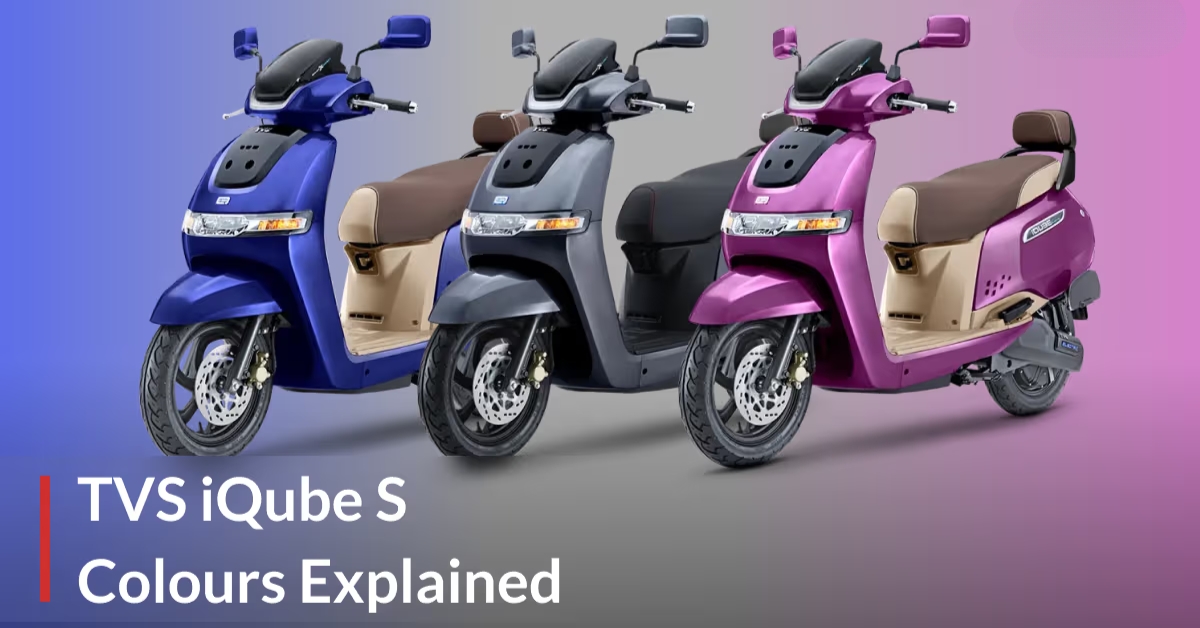
- TVS Motor Company continued its dominance with 47,064 two-wheelers, up more than 76 per cent from the previous year.
- Bajaj Auto, with 43,306 units sold, finished second with a remarkable 80.54 per cent growth.
- Ather Energy, on the other hand, registered an increase of almost 95 per cent in year-on-year sales of 31,230 units.
- The fastest growth was recorded by Hero MotoCorp, which sold 21,820 electric two-wheelers and witnessed a growth rate of over 175 per cent.
The achievements of these manufacturers show how fast existing Indian auto manufacturers are embracing the electric mobility revolution.
Ola Electric is facing tough competition
The sales of a few manufacturers were record-breaking, while Ola Electric had a tough month. The company sold a total of 16,150 electric scooters for retail, down 21.97 per cent year over year.
Though one of India’s most popular brands of electric scooters, Ola is facing pressure from the competition from the legacy brands as well as the burgeoning competition from other players in the market.
It’s getting harder to stay on top as more and more companies launch competitive products with extensive networks and competitive pricing.
What is fueling the growth of EVs in India?
India is seeing a rapid increase in EV adoption for several reasons. The first is that consumers are increasingly aware of the long-term savings they can achieve by opting for an EV. The cost of fuel is decreasing, maintenance costs are lower, and EV battery reliability is improving, making EV ownership a compelling option.
Second, the number of charging stations keeps increasing, both in and along cities, alleviating range anxiety. Thirdly, manufacturers have an electric model choice available in a much broader range of price brackets, providing the buyer with more options than ever.
Last but not least, the ongoing advancement of battery technology has made EVs more viable options for everyday commuting and commercial use, with greater range capabilities and faster charging times.
Industry Experts believe the future is bright
FADA President C. S. Vigneshwar says that June was a turning point in India’s mobility transition. He stressed the trend of growth no longer being limited to any single vehicle category. Rather, each of the main EV segments has demonstrated positive momentum, signalling the trend toward mainstreaming electrification.
Established manufacturers are increasingly stepping into the scene, with some major domestic and international companies making their strides in the market, further solidifying India’s status as one of the world’s fastest-growing EV markets.
Experts in the field are convinced that this growth will continue in the near future, primarily thanks to increasing confidence among consumers, the increasing availability of models, expanding charging infrastructure and making charging easier.
What This Means for Indian Consumers
Competition is beneficial for consumers in several ways. Companies are developing more advanced technology, extended ranges, increased safety, and lower prices to sell cars.
With the competition mounting, customers are likely to see further enhancements in innovation, ownership experiences, and after-sales support.
This expanding EV infrastructure also improves business, fleet and public transit efficiency while enabling cleaner and more sustainable transportation.
Frequently Asked Questions (FAQs)
1. What milestone did India’s EV market achieve in June 2026?
Electric vehicles accounted for more than 12 per cent of India’s total vehicle retail sales for the first time.
2. How many electric vehicles were sold in June 2026?
A total of 306,220 EVs were retailed during the month, setting a new monthly record.
3. Which EV segment recorded the highest sales?
Electric two-wheelers led the market with 193,735 retail units, making them the largest contributor to overall EV sales.
4. Which company led India’s electric two-wheeler market?
TVS Motor Company retained the top position with 47,064 electric two-wheelers sold in June 2026.
5. Which manufacturer recorded the fastest growth?
Hero MotoCorp posted the highest year-on-year growth among major manufacturers, with EV retail sales rising by more than 175 per cent.
6. How did Ola Electric perform during June 2026?
Ola Electric’s retail sales declined by 21.97 per cent year-on-year, reaching 16,150 units.
7. Why are EV sales growing rapidly in India?
Improving affordability, expanding charging infrastructure, better battery technology, wider product availability, and increasing consumer confidence are driving EV adoption.
8. What does this growth mean for India’s automobile industry?
The record sales indicate that electric mobility is becoming mainstream, encouraging greater investment, stronger competition, and continued innovation across the automotive sector.
Disclaimer: This article is based on retail sales data and industry information available at the time of writing. Vehicle sales figures, market share, manufacturer rankings, and future market trends may change as new reports and official updates are released. Readers are advised to refer to official industry reports and manufacturer announcements for the latest information.
Also Read:
Yamaha YZF-R2 Specifications 2026: BS6.2 Sports Bike, Features, Engine and Latest Details
TVS iQube S Specifications 2026: 175km Range, 4.7kWh Battery, Top Speed and Features
Simple Family Electric Scooter Specifications, Features and Details